
INTRODUCTION
You’re scrolling through WhatsApp groups and local boards, and you see “Post Office Jobs 2026: India Post GDS and MTS” notifications dropping in. The question staring at you is not just “How to apply?” but “Am I even eligible, and what exactly will I be doing?” This article gives you a clear, straight‑forward breakdown of India Post GDS, MTS, and related post‑office‑type roles in 2026, including eligibility, salaries, the exact application process, and the most common mistakes applicants make. No fluff, just the facts you need to decide if it’s worth your time and effort.
What is Post Office Jobs 2026 India?
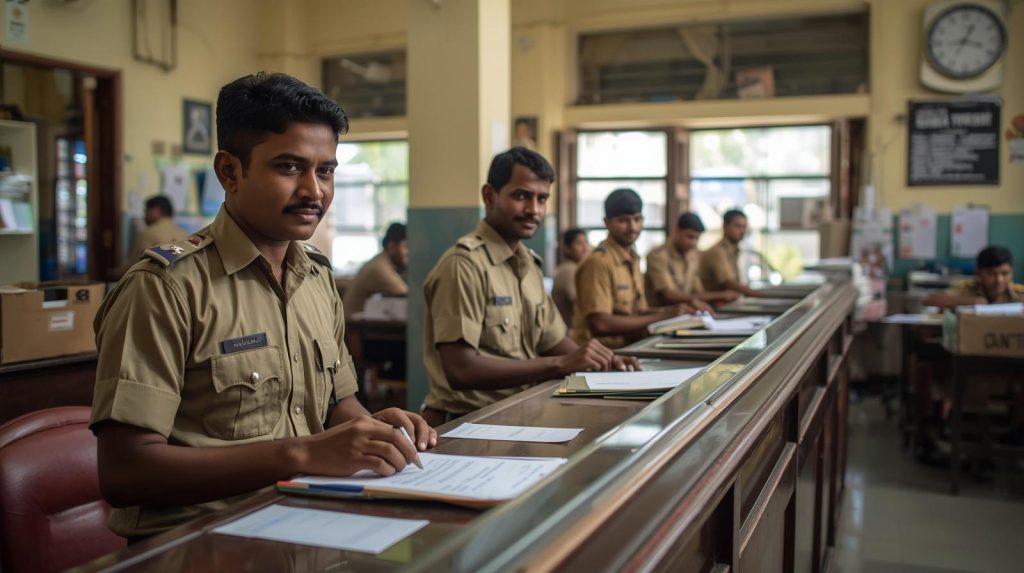
“Post Office jobs 2026 India” usually means India Post recruitment for Group ‘D’ type posts such as Gramin Dak Sevak (GDS), Multi Tasking Staff (MTS), and sometimes casual or temporary posts at post offices and head offices. These are government jobs under the Department of Posts, Ministry of Communications, and they are highly sought after because they offer job security, regular pay, and a rural‑office setup without needing a four‑year degree.
In practice, this means:
- GDS is primarily a village postman role, handling mail delivery, collection, and basic banking services like India Post Payments Bank (IPPB) in rural areas.
- MTS is a back‑office support job at post offices or head offices—handling mail, cleaning, errands, and basic record‑keeping.
According to recent public‑sector‑job data, India Post alone hires tens of thousands of GDS and MTS entries every year, making it one of the largest entry‑level government‑employer pipelines in rural and semi‑urban India. For many students, homemakers, or those with a Class 10 or 12 background, this is one of the most realistic pathways into a stable government ecosystem.
Eligibility / Who This Is For
Post‑office‑type jobs in 2026 follow a relatively standard eligibility pattern, but the exact bar varies slightly by post (GDS vs MTS vs temporary). Here’s what you actually need to know before you invest time in preparing documents.
Core eligibility points
- Age limit:
- MTS and similar non‑GDS posts usually ask for 18–25 years (sometimes 27 for reserved categories).
- GDS age limits are often 18–40 years, with relaxations for SC/ST/OBC and certain rural categories.
- Educational qualification:
- MTS: Typically Class 10 (Matriculation) from a recognized board.
- GDS: Usually Class 10 or above, often with basic computer knowledge and sometimes local language proficiency.
- Some newer or upgraded posts may ask for Class 12 or ITI‑level vocational training, depending on the region.
- Category and reservation:
- SC/ST/OBC/EWS candidates get age relaxation and reserved vacancies as per government rules.
- Many GDS roles are village‑specific, so you must be resident of that village or nearby area; non‑residents are often disqualified at the interview or verification stage.
- Other basic conditions:
- Must not already be employed in central or state government service.
- Should be physically fit enough to handle mail bags, bicycles/e‑carts, and walking in rural areas.
The one bold requirement you must never ignore:
You must carefully match the exact eligibility mentioned in the official India Post notification for that specific year and state.
Most people overlook the location‑specific notes (village, circle, division) and later discover they don’t qualify even after spending time on forms. [web‑9][web‑10] If you’re someone who has at least Class 10, lives in a village or semi‑urban area, and is comfortable with basic physical work and simple accounts, you’re in the right group for GDS‑ and MTS‑type post‑office‑jobs‑2026‑India.
Step‑by‑Step Process / How It Works
Applying for Post Office jobs 2026 India is not a one‑click job. Here’s how the process actually runs from start to finish, based on recent India Post recruitment patterns.
Step 1: Track the official notification
India Post releases GDS, MTS, and other post‑office vacancies through the official India Post or specific Circle websites (e.g., West Bengal Postal Circle, Kerala Postal Circle). [web‑9][web‑10]
- Check the “Recruitment” or “Careers” section of the India Post portal and the relevant State Circle site.
- Turn on alerts or at least weekly checks from April–August, when most GDS and MTS notifications are issued.
When you apply, you’ll notice that each state has its own schedule and dates, so blindly following one “Telegram pdf of notification” can lead you to miss your own circle’s deadline. [web‑9]
Step 2: Download the notification and read it fully
Before filling anything, download the PDF notification and read:
- Vacancy list (how many posts, which villages/offices, and which category).
- Eligibility table (minimum age, maximum age, qualification, and any special conditions like “village resident only”).
Most people skip this and later realize too late that they should have applied under a different category or circle. [web‑9]
Step 3: Fill the online application form
India Post now uses online forms for most GDS and MTS notifications. You’ll need:
- A working mobile number and active email ID.
- Scanned documents: photo, signature, ID proof, education certificates, category certificate (if applicable).
The form will ask for:
- Personal details (name, father’s name, date of birth, gender, community).
- Educational details (board, year, marks).
- Preferred post and village/office, where applicable. [web‑9][web‑10]
Important: Mistakes in the name spelling, DOB, or category can disqualify you later, so review twice before submitting.
Step 4: Pay the application fee (if applicable)
Some notifications require a nominal fee (often ₹100–₹500, depending on category).
- Payment is usually via online gateway (net banking, debit/credit, UPI).
- Keep a screenshot of the payment receipt; you may need it at verification. [web‑9]
If you’re from an SC/ST or other exempted category, ensure the fee‑waiver is applied correctly in the form.
Step 5: Save the application form and admit card download
After submission, you’ll get:
- An application number and confirmation page.
- Later, an online admit/e‑permit for the next stage (if there is a written test or interview).
Save the application PDF and admit card in a separate folder on your phone and laptop so you are not scrambling if the site goes down on the last day. [web‑9]
Step 6: Attend the selection stage (interview or written test)
For many GDS and MTS posts, India Post uses:
- Village‑resident interview (for GDS) focusing on local knowledge, basic English/Hindi, and physical fitness.
- For some MTS or upgraded posts, a simple written test on basic maths, reasoning, and general knowledge. [web‑10]
When you apply, you’ll see that preparation is minimal but important; even basic practice on 10th‑level maths and current events can help you clear a short test.
Step 7: Document verification and final selection
Selected candidates go through:
- Original document check (leaving, caste, ID, education certificates).
- Physical fitness/oath ceremony, after which the posting is issued.
If you’ve applied through WhatsApp “agents” who promise “guaranteed selection,” they usually vanish after the notification date because India Post does not work that way. [web‑15]
Key Benefits / Why Post Office Jobs 2026 Matter
For many candidates, a post‑office job is not glamorous, but it solves real‑life problems. Here’s why it matters:
- Stable government income:
GDS and MTS roles usually fall under Group D, with basic pay ranging roughly ₹10,000–₹18,000 per month before allowances, depending on state and pay scale revisions. [web‑10]
For rural India, this can cover EMI, school expenses, or basic household needs when combined with existing family income. - Job security and social stability:
Government jobs at post offices are not contract‑based in the usual sense; once confirmed, you have long‑term service, increments, and pension benefits via the government framework. This is why many young people in Tier‑2 and Tier‑3 cities prefer GDS over private‑company “WFH” roles. [web‑10] - Local‑area employment:
GDS posts are often village‑specific, which means you can live in your own village and commute to your own post office instead of relocating to a city. This reduces living costs and family stress, especially for those whose parents are not urban‑minded. - OPM and career visibility:
Working at a post office gives you direct exposure to government systems, banking services (IPPB), and rural logistics, which can help later if you want to appear for higher exams like SSC CHSL, LDC, or even state‑level clerical posts. [web‑10]
When you stack these benefits against underpaid private‑sector jobs or “fake data entry offers,” the post‑office‑jobs‑2026‑India route starts looking like a smart, low‑risk option for many families.
Common Mistakes / What to Watch Out For
Most people don’t fail because the exam is tough; they fail because of avoidable errors. Here are the big ones to watch out for.

Mistake 1: Applying only on WhatsApp or Telegram “agents”
Many candidates rely on WhatsApp forwards that say “Last date today” or “Apply now through this link,” but these links often go to fake or outdated portals. India Post notifications are always on official Circle or India Post websites, not private Telegram channels. [web‑15]
How to avoid this: Treat every “apply now” link as unverified until you match it with the official India Post/Circle URL.
Mistake 2: Ignoring the exact eligibility per circle
Each Circle (Assam, Tamil Nadu, Maharashtra, etc.) tweaks age, education, and residence rules. Applying based on someone else’s circle rules is a common error. [web‑9]
What to do instead: For each notification, read the Eligibility table and instructions for your Circle before you start the form.
Mistake 3: Rushing the application and making spelling errors
Candidates often hastily fill name, DOB, or category and later discover that small errors are grounds for rejection. [web‑9]
How to avoid this:
- Type the form in draft first (on paper or notes).
- Then copy‑paste carefully into the online fields and review twice.
Mistake 4: Missing the last date or payment window
Notifications clearly mention the last date for online application and last date for fee payment. Many people remember the first date but miss the payment cutoff. [web‑9]
What to do instead: Mark both dates in your phone calendar and finish the full process at least 2–3 days early.
Pro Tips for Post Office Jobs 2026 Aspirants
These are the kinds of things you learn only after tracking multiple India Post notifications.
Tip 1: Create a “India Post Tracker” folder
Make a separate folder on your phone and laptop for:
- Notification PDFs.
- Your filled application copies.
- Payment receipts and admit cards.
When you apply, you’ll see that having one organized folder saves hours of panic before an interview or document check.
Tip 2: Focus on basic document readiness
From the beginning, keep ready:
- Class 10/12 marksheet and TC.
- Caste/EWS certificate (if applicable).
- Aadhaar, voter ID, and passport‑size photo.
Last‑minute certificate hunting is a major reason people miss the deadline even if they had the eligibility. [web‑10]
Tip 3: Practice rural‑and‑local‑awareness topics
For GDS village‑resident interviews, common questions are:
- Basic geography of your village and nearby towns.
- Simple English/Hindi questions (introduce yourself, daily routine).
- Basic maths and current awareness (recent local events, India’s Prime Minister, etc.). [web‑10]
Spend 20–30 minutes a day on these topics; it makes a big difference in the interview.
Tip 4: Treat it as a “backup plus main” option
If you’re also preparing for SSC, banking, or teaching exams, use GDS/MTS as a realistic backup. The preparation overlap with basic maths and GK is strong, and having a government‑level job while preparing for higher exams can reduce family pressure.
Conclusion
Post Office jobs 2026 India especially GDS and MTS under India Post are real, stable, and within reach for many Class 10–12‑pass candidates, provided you follow the official process, check eligibility carefully, and avoid WhatsApp‑only “agents.” To move forward, your clear next step is to bookmark the India Post and your relevant Postal Circle recruitment page, then set a weekly reminder to check for new notifications from April onward. If you do that consistently, you’ll be in a strong position to catch the next round of Post Office jobs 2026 and take a concrete step toward government‑sector employment.
META DESCRIPTION
Post office jobs 2026 India: full details on India Post GDS, MTS, pay scale, eligibility and how to apply correctly so you don’t miss the notification.
About The Author